sculptural landscapes
  • Home
  • About
  • Contact

Natural ways to weed your garden

24/10/2019

0 Comments

 
The presence of weeds in your garden are inevitable. In order for your plants to thrive, weeds need to be ousted. There are some gardeners who abhor the weed, others see it as a more meditative task.
"Every time you water the garden you also water the weeds”
​- The Waifs, Fourth Floor

Picture

5 Common Approaches


  • By Hand
  • Mulch
  • Vinegar
  • Boiling Water
  • Weed Mat
<
>
Weeding by hand is the most effective solution to removing unwanted garden invaders. Get your hands dirty and use a claw or sharp trowel to loosen the weed roots. Once loosened, hold them by the base and firmly pull them out. Removing weeds completely with their roots ensures they won’t grow again.
At the same time you’ll want to be careful not to transfer seeds. Some weeds such as Cardamine hirsuta, known as hairy bittercress or flick weed, flick off their seeds when touched, spreading them far from the parent plant.
​T
he best time to pull weeds is when the soil is damp and soft as they come out easier than when it’s dry.
Picture
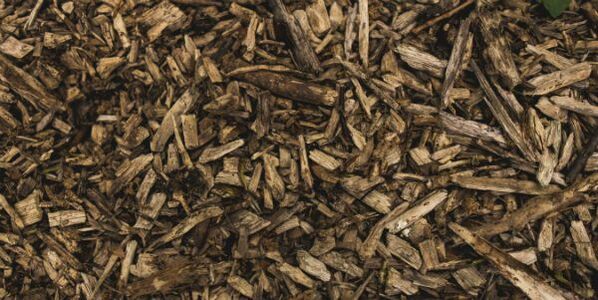
Mulch doesn’t necessarily kill weeds directly it is more of a preventive technique. Mulch works as a protective barrier to block the sun from any weed seeds that may be hiding in the soil. When done correctly, you will save precious garden time which you can then spend on nurturing your plants. Be sure to remove any existing weeds before adding your mulch as smothering them won’t work, they will grow through it. Mulch comes in a few different forms...
​Bark is a common form of mulch because it’s not only low maintenance, it’s also long-lasting. If you transplant your plants often then bark probably won’t suit you as it can make it more difficult to move the plant without interrupting the soil in the process.
Picture

​Grass Clippings are a great way to recycle lawn cuttings. This sustainable method of mulch adds an organic layer to a garden. However, it is quick to decompose so it requires constant topping up to ensure the sun doesn’t have a chance to get in. It’s worth noting that clippings are not effective for mulch if the grass has been treated with herbicides or chemical fertilisers.
Picture

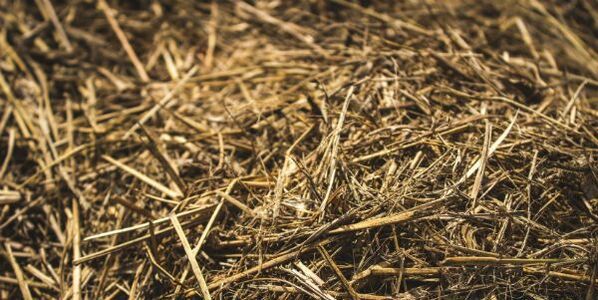
​Straw or Hay as a form of mulch is another great way to add an organic layer and stop weeds. This material is especially effective at retaining moisture in the soil so your plants can grow healthy. Ensure your straw or hay is good quality and weed-free.
Picture

It’s important to avoid layering mulch too high, about 8cm is fine, too much height will invite slugs and rodents. Mulch done right will both retain moisture in your soil while breaking down and enriching it at the same time.
As a fast resulting weed control method, vinegar affordable and natural as it is usually derived from the grain, apples or grapes that are distilled through fermentation. It contains acetic acid which is what makes it so effective.
Mix 3 litres of white vinegar with  ¾ cup of salt and 1 tablespoon of dishwashing soap (this works to adhere the vinegar and salt to weeds more efficiently). Once mixed thoroughly, funnel the concoction into a spray bottle. Apply to your weeds on a dry, sunny day. Over the next couple of days you’ll notice them die off. Be careful where you spray as vinegar will kill everything it touches.
Boiling water is extremely effective at killing weeds. Poured straight from the kettle and onto the weed will scald them instantly. This may take a couple of tries, but eventually the weed will stop returning.
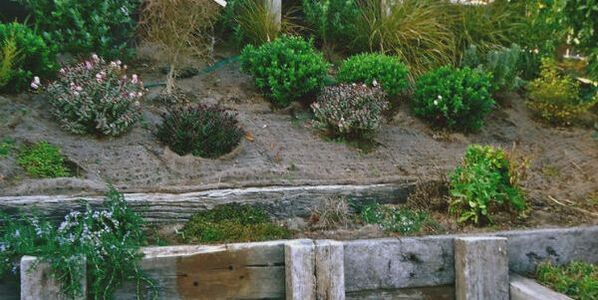
Weed mats serve as a layer to prevent weed growth and allow air to circulate through the soil. To avoid the use of plastic products in your garden you can choose natural materials that are more environmentally friendly. Wool matting options reduce stress on plants by staying damp for a longer period of time and restricting evaporation. This eco-friendly option also decomposes as the plants mature and grow over it. Installing weed mats on a sloping site is particularly effective for stabilising soil and reducing erosion.
​If you’re in need of some landscaping help beyond this gardening guide, get in contact with Sculptural Landscapes. We have many creative solutions for a wide range of landscaping needs – be it lawns, planting, paving & pathways, decking, retaining walls, fencing, stonework or maintenance.

Picture

0 Comments

YOUR SEPTEMBER PLANTING GUIDE

22/8/2019

0 Comments

 
Spring is nearly here! Yes – finally Winter is thawing out and so are we. All you Green Thumbs can leave your hibernation and get back into the garden where you belong! Not that Winter gardening isn’t fun… but, well, it really isn’t the same without the warmth, is it?
The start of Spring means it’s time to plant so that come Summer, your garden is ready for harvesting! 
Many of our favourite veggies (and hopefully yours too) are planted this time of the year. But, before you can start throwing seeds around, it might pay to have a look over our list of tips and tricks to make sure you get the most out of your garden this season.
​Follow Sculptural Landscapes’ 3 P’s steps to get your garden going this Spring.
Picture

​Prepare. Plant. Protect.


  • Prepare
  • Plant
  • Protect
<
>
Getting your garden started again after winter will require some admin. Before you get lost staring at the never-ending rows of seeds in the garden store, make sure your soil is ready for them.
​
Begin your prep by removing any leftover mulch from winter – let your soil defrost in the Spring sun!
Just like us, soil will perform it’s best when it’s given proper nutrients. The best ingredients for growth are manure and compost (and lots of water, of course).
COMPOST
Decomposed organic matter, AKA compost, has many great characteristics. It improves soil structure by letting it aerate - this way water can reach the seeds easily.
​
Don’t worry if  you’ve not got your own compost (which we highly recommend) as your local garden centre will have a selection of great quality options.

MANURE
Manure is fantastic for your soil, despite how unappealing it sounds. It creates the perfect conditions for new growth as well as inviting helpful earthworms.
When selecting what manure to use, first make sure whatever you end up choosing has been set aside to rot (warning: fresh manure does the opposite of helping!).
​
Work your manure into the soil by turning it over to make sure it is mixed nicely.


Picture
Now that your soil is ready to go, it’s time to put it to the test. 
Here in Christchurch, our climate is described as cool temperate as we are further south so planting conditions are little different to more northern locations in New Zealand.
Sculptural Landscapes have done the hard work for you and developed a list of plants that are best for the Canterbury region to plant this time of the year.
​
We’ve provided a long list of everything from veggies to herbs and even fruit to make sure we’ve got your tastes covered!
Flowers
Fruits
Vegetables
Herbs
Alyssum​
Apples
Asparagus
Coriander
Calendula
Blackberries
Beetroot
Parsley
Chrysanthemum
Blueberries
Bok Choi
  
Cosmos
Cranberries
Broccoli
  
Dahlia​
Currants
​Carrot
  
Daisy
Feijoas
Cauliflower
 
Dianthus
Gooseberries
Celery
  
Forget-me-not
Lemons
Kale
  
Fuchsia
Limes
Lettuce
  
Gerbera
Mandarins
Mesclun
 
Impatiens
Oranges
Onion
  
Lavender
Peaches
Pea
  
Lily
Pears
​Potato
  
Marigold
Plums
Radish
  
Pansy & Viola
Strawberries
Rocket
  
Petunia
Tomatoes
​Silverbeet
  
Poppy
 
Spinach
  
Snapdragon


​Sweetpea


Picture
Mulch is the final layer of your garden that works as a defence to fight the weeds back from the surface. This layer blocks works by stopping light from getting to any weed seeds.
This barrier that is mulch can come in many forms, so we’ve described some common ones we recommend. Deciding which mulch is best for your garden really comes down to which one suits what type of gardener you are – some require more effort and maintenance, whereas others only need you to install it so you can sit back and let it do its thing.
The following options are listed in order of least to most involvement:
BARK
Bark is a pretty common type of mulch for good reasons. It’s super effective at blocking sun from getting to the weed seeds, plus it’s long-lasting! If gardening isn't your top priority or time isn’t on your side, we suggest using bark. That is unless you are moving or transplanting your plants often, then bark isn’t ideal for you because it makes it difficult to do so without interrupting the dirt.
STRAW AND HAY
Straw and hay are a great for both adding organic matter and retaining moisture in your soil.
Make sure you know exactly what you’re using otherwise you could be making more problems than you’re solving. Be careful you source weed-free hay or straw.
Lay no more than about 8cm thick over your soil as mulch – too much will invite slugs and rodents.

GRASS CLIPPING
This method is great if you have a lawn as it’s a sustainable way to put your grass clippings to use. Spread a layer over your garden to suppress the growth of weeds. Due to the water content in the clippings they will decompose pretty quickly (so if you’re not prepared to regularly top it up then this method may not be your first choice!).
Note that you shouldn’t use clippings if your grass was treated with herbicides or chemical fertilisers.​
Picture

If it’s outside, we can do it!


If you’re in need of some landscaping help beyond this gardening guide, don’t hesitate to contact Sculptural Landscapes. We have a heap of creative solutions for a wide range of landscaping needs – be it lawns, planting, paving & pathways, decking, retaining walls, fencing, stonework and maintenance.
CONTACT US NOW
0 Comments
Sculptural Landscapes . Christchurch . 03 390 9983
  • Home
  • About
  • Contact